

When most business owners think about signage, they focus on visibility—how many people see it, how often they notice it, and whether it stands out in a crowded street. But the most effective signage does something more subtle and more powerful: it works even when customers aren’t consciously paying attention.
At SWFL Signs in Southwest Florida, the most successful signs aren’t just seen—they’re absorbed over time. They build familiarity, trust, and recognition long before a customer ever decides to walk through the door.
The Brain Processes Signs Faster Than Conscious Thought
Human brains are constantly scanning the environment, even when we’re not actively focused on it. That means signage is being processed in the background long before a customer makes a decision.
Strong signage influences:
- Brand recognition through repeated exposure
- Emotional association based on design and color
- Trust built through consistency and professionalism
- Memory recall when a service is needed later
This is why a sign doesn’t have to “grab attention” in a dramatic way to be effective—it just has to be consistent and clear.
Familiarity Builds Trust Before a Conversation Ever Happens
People are far more likely to engage with businesses they recognize. Even brief, repeated exposure to a well-designed sign can create a sense of familiarity that feels like trust.
Over time, signage becomes part of the local visual landscape. That matters because:
- Familiar brands feel safer to choose
- Recognition reduces hesitation in decision-making
- Consistent visuals reinforce credibility
- Subtle exposure leads to stronger recall later
SWFL Signs designs with this long-term psychological effect in mind, not just immediate visual impact.
Subtle Visibility Often Outperforms Loud Design
It’s easy to assume that the most aggressive or flashy sign wins attention. In reality, over-designed signage can sometimes be ignored or forgotten because it overwhelms the viewer.
Effective signage balances attention with clarity:
- Clean layouts improve readability at a glance
- Strong contrast increases retention
- Simple messaging communicates faster
- Strategic placement ensures repeated exposure
The goal isn’t just to be noticed once—it’s to be remembered consistently.
Repetition Is What Turns a Sign Into a Marketing Tool
A single impression is rarely enough to influence behavior. But repeated exposure creates familiarity, and familiarity drives action.
Every time someone passes a sign:
- The brand becomes more recognizable
- The message becomes easier to recall
- The business feels more established
- The decision to engage becomes easier over time
This is why signage is not just a visual asset—it’s a long-term marketing system.
Great Signage Works in the Background of Daily Life
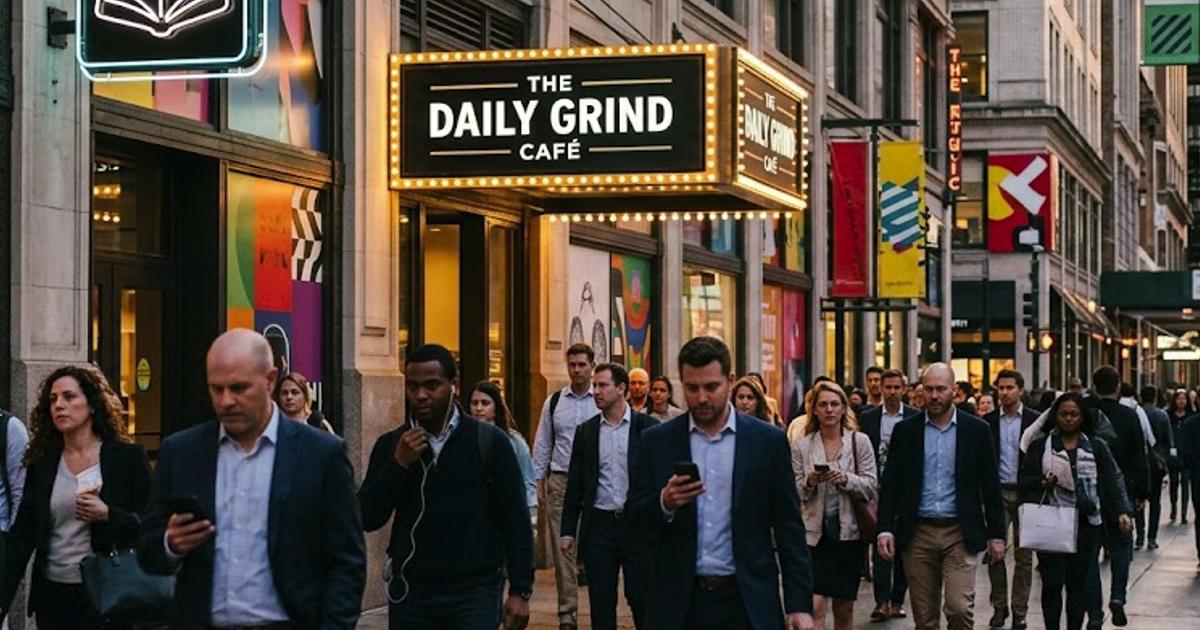
The most effective signs don’t interrupt people—they integrate into their routines. Commuters, shoppers, and locals may pass the same signage dozens or even hundreds of times before ever needing the service.
When that need finally arises, the decision is already influenced.
That’s the quiet power of well-designed signage:
- It builds recognition without effort from the customer
- It reinforces brand presence daily
- It creates subconscious preference
- It shortens the decision-making process later
The Best Signs Don’t Just Attract Attention—They Shape Decisions
At SWFL Signs, signage is treated as more than a visual element. It’s part of a broader customer journey that begins long before contact and continues long after installation.
The most successful signs don’t just say “we are here.”
They quietly answer the question: “Who do I trust when I need this service?”
And in many cases, that answer has already been formed long before the customer realizes it.
